Claim Your Free Estimate on Our Services Today!
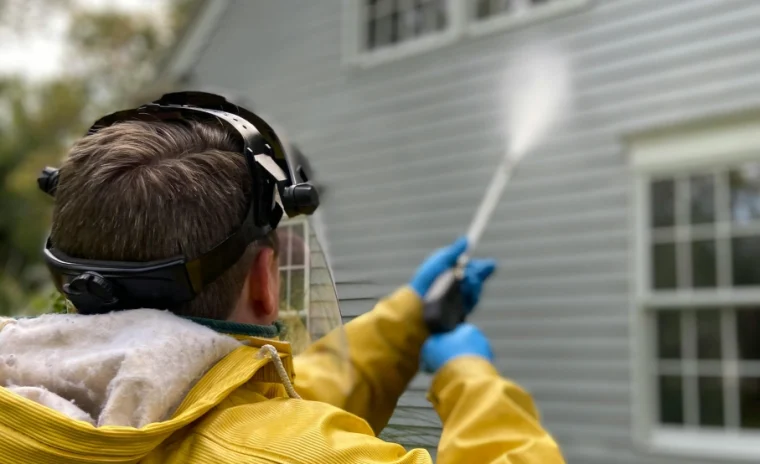
Keeping outdoor surfaces clean plays a big role in maintaining the appearance and durability of your property. Dirt, algae, mildew, and grime slowly build up on driveways, siding, decks, and patios throughout the year. Learning how to pressure wash properly allows homeowners to remove these contaminants safely while protecting exterior surfaces from unnecessary wear. When buildup is left untreated, it can stain materials, create slippery walkways, and cause surfaces to deteriorate faster.
For homeowners in Terre Haute, seasonal weather changes bring moisture, pollen, and debris that settle onto outdoor surfaces. This makes it important to understand how to pressure wash correctly so you can restore the look of your property without causing damage. This guide explains how to pressure wash step by step, covering the equipment you need, safety precautions, and proper power washing techniques for common surfaces. Whether you are cleaning your driveway, siding, patio, or deck, these tips will help you achieve consistent results.
What Is Power Washing?
Before starting, it helps to understand what power washing is and how it relates to pressure washing.
Both methods rely on pressurized water to remove dirt, algae, mold, and stains from exterior surfaces. The main difference is that power washing sometimes uses heated water, while pressure washing typically uses normal temperature water. For most homes, pressure washing provides more than enough cleaning power.
Understanding how power washing works makes it easier to operate the equipment correctly. A pressure washer uses a motor or engine to power a pump that forces water through a narrow nozzle at high pressure. This concentrated stream of water lifts dirt and buildup from surfaces quickly.
Because the water pressure can be strong, learning proper power washing techniques helps prevent damage to wood, siding, and other materials.
Benefits of Power Washing Your Property
Homeowners often notice several benefits of power washing after cleaning outdoor surfaces.
Improved curb appeal
Removing dirt, algae, and stains makes your home or business look cleaner and more welcoming. Driveways, sidewalks, and siding often look dramatically different after pressure washing.
Helps protect surfaces
Moisture trapped by algae, mold, and dirt can slowly break down materials like wood and concrete. Cleaning these surfaces regularly removes harmful buildup.
Reduces slippery surfaces
Algae growth on patios, walkways, and decks can create slick surfaces. Pressure washing removes these layers and improves safety.
Saves time compared to manual scrubbing
Cleaning large surfaces by hand can take hours. Pressure washing removes buildup quickly and with less physical effort.
When cleaning projects become too large or time consuming, homeowners often rely on power washing services to handle driveways, siding, and patios safely.
How Does Power Washing Work?
Understanding how power washing works helps beginners use the equipment correctly.
A pressure washer connects to a standard garden hose. The motor drives a pump that pushes water through a narrow spray nozzle. The pressure created by this process breaks apart dirt and debris attached to surfaces.
Several factors influence cleaning performance:
- Water pressure, measured in PSI
- Water flow rate, measured in gallons per minute
- Spray nozzle type
- Distance between the nozzle and surface
- Cleaning solutions used
Higher pressure is not always necessary. Many surfaces clean effectively using moderate pressure and proper technique.
Tools and Equipment Needed
Before starting a cleaning project, gather the right equipment.
Pressure washer
Electric pressure washers are common for homeowners because they are lightweight and easy to operate. Gas models provide more power and are often used for larger surfaces.
Spray nozzles
Pressure washers typically include interchangeable nozzles with different spray angles:
- 0 degree nozzle for strong concentrated spray
- 15 degree nozzle for heavy cleaning
- 25 degree nozzle for general washing
- 40 degree nozzle for gentle rinsing
Garden hose
A steady water supply is necessary for consistent pressure.
Cleaning detergent
Certain stains respond better when detergent is applied before washing.
Safety gear
Protective equipment should include:
- Safety glasses
- Gloves
- Closed toe shoes
Safety Tips Before You Start
Learning how to pressure wash safely is just as important as learning the technique.
Test a small area first
Before washing an entire surface, test a small section to make sure the pressure will not damage the material.
Keep proper distance
Holding the spray nozzle too close can leave marks or damage surfaces.
Avoid spraying electrical fixtures
Do not spray directly at outlets, lighting fixtures, or wiring.
Protect nearby plants
Cover delicate landscaping or rinse plants with water before and after washing.
These precautions help prevent damage and keep the cleaning process safe.
Step-by-Step Guide: How to Pressure Wash
Follow this step-by-step method to learn how to pressure wash effectively.
Step 1: Prepare the area
Remove outdoor furniture, decorations, and loose debris from the cleaning area. Sweep surfaces to eliminate dirt and leaves.
Step 2: Apply cleaning solution
If surfaces contain heavy stains or algae, apply a detergent before washing. Let the solution sit for several minutes so it can break down buildup.
Step 3: Select the correct nozzle
Choose a spray tip suitable for the material you are cleaning. Concrete can handle stronger spray patterns, while wood surfaces require gentler pressure.
Step 4: Start washing from the top
When cleaning siding or walls, begin at the top and move downward. This keeps dirty water from running across areas you have already cleaned.
Step 5: Use steady strokes
Hold the nozzle a few feet away from the surface and move it in smooth sweeping motions. Overlap each pass slightly to prevent streaks.
Step 6: Rinse thoroughly
Switch to a wider spray pattern and rinse away all detergent and loosened debris.
Step 7: Allow surfaces to dry
After rinsing, allow surfaces to dry before replacing furniture or decorations.
Following this process helps beginners understand how to pressure wash without damaging surfaces.
Power Washing Techniques for Different Surfaces
Different materials require different power washing techniques.
Concrete driveways
Concrete is durable and can tolerate stronger pressure. Move the spray wand in even horizontal passes.
Wood decks
Wood surfaces require lower pressure. Keep the spray moving and avoid concentrating the stream in one location.
Vinyl siding
Use moderate pressure and spray downward to prevent water from entering seams.
Fences
Wood fences should be cleaned using a wide spray pattern and steady motion.
Patios and walkways
Consistent movement helps prevent streaking and uneven cleaning.
For larger outdoor areas, many homeowners choose power washing services to handle the work efficiently.
Common Pressure Washing Mistakes to Avoid
Many beginners make mistakes when learning how to pressure wash.
Using excessive pressure
Too much pressure can damage wood, strip paint, or leave marks on siding.
Spraying too close to the surface
Maintaining a safe distance helps prevent gouges or surface damage.
Skipping detergent
Some stains require a cleaning solution to break down grime effectively.
Ignoring safety precautions
Always wear protective gear and operate the equipment carefully.
Avoiding these mistakes helps produce cleaner and safer results.
How Often Should You Power Wash?
Many homeowners ask how often you should power wash outdoor surfaces.
For most homes, pressure washing once per year is enough to remove dirt, mildew, and buildup. Areas with heavy shade, moisture, or nearby trees may need cleaning more frequently.
Common surfaces that benefit from regular cleaning include:
- Driveways and sidewalks
- Patios and decks
- Siding and fences
- Garage floors
Routine cleaning helps prevent buildup from becoming difficult to remove later.
Conclusion
Learning how to pressure wash can make a noticeable difference in the appearance of your home or business. By understanding how power washing works, selecting the right equipment, and following proper power washing techniques, homeowners can safely clean driveways, decks, patios, and siding. Regular cleaning also highlights the benefits of power washing, including improved curb appeal, safer walkways, and longer lasting surfaces. With the right preparation and techniques, even beginners can learn how to pressure wash effectively.
Professional Help When You Need It
While many homeowners enjoy learning how to pressure wash, some projects require additional equipment and time. Our team at Royal Acres Services helps property owners throughout Terre Haute with reliable exterior cleaning solutions. If you prefer professional help with driveways, siding, patios, or decks, our Power Washing Services are available with Free Estimates. We also provide Lawn Mowing & Yard Maintenance, Lawn Fertilization & Treatment, and Yard Cleanup Services to keep your property looking clean and well maintained throughout the year. Call (812) 220-2000 to schedule service.